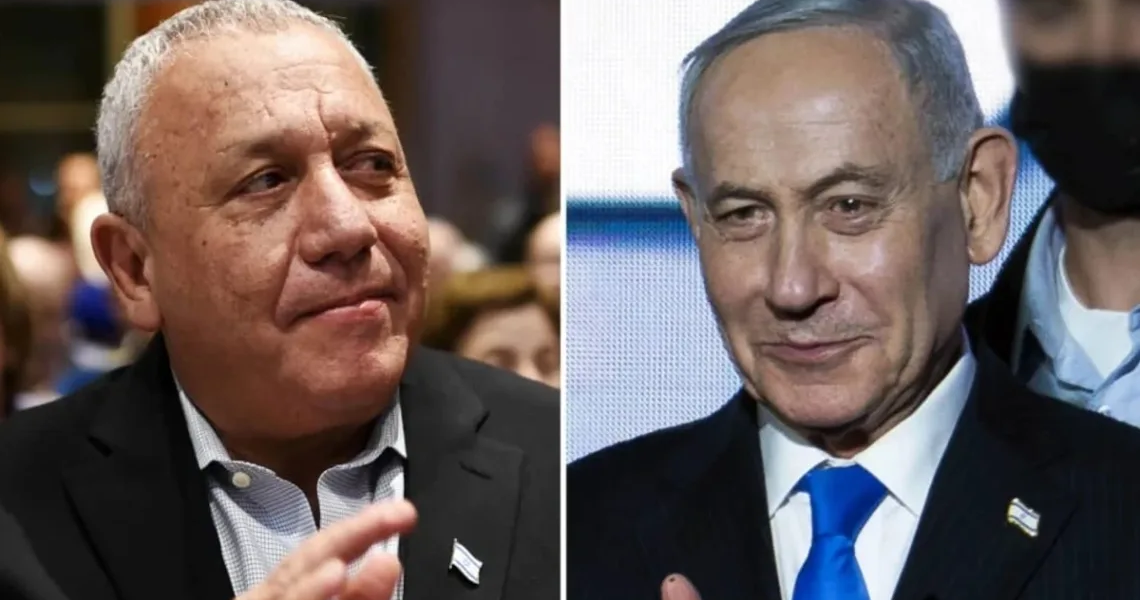
Israel’s opposition parties are considering bringing back direct elections for the Prime Minister’s post as the country faces a political deadlock following the recent parliamentary elections. The proposal is being discussed as opposition leaders struggle to form an alternative government against Prime Minister Benjamin Netanyahu.According to the final election results, Netanyahu’s ruling bloc secured 53 seats in the 120-member Knesset, while the opposition bloc won 48 seats. Arab parties secured the remaining 19 seats. Although 67 lawmakers are outside Netanyahu’s bloc, disagreements over seeking support from Arab parties have complicated efforts to form a majority government.
The proposal involves allowing voters to directly elect the Prime Minister without dissolving the existing parliament. Interestingly, Netanyahu himself had proposed a similar model in 2021 when he faced difficulties forming a government after the elections.
The opposition is also discussing a possible law limiting a Prime Minister’s tenure to two terms or eight years, which could affect Netanyahu’s future political prospects. However, the proposal may face legal and constitutional challenges.Israel previously held direct Prime Ministerial elections in 1996, 1999 and 2001. Benjamin Netanyahu won the 1996 election, while Ehud Barak won in 1999 and Ariel Sharon in 2001. The system was abolished later in 2001, and the country returned to its parliamentary system.
For now, restoring direct elections remains a proposal under discussion. Even if voters directly elect a Prime Minister, the leader would still need sufficient parliamentary support to form and run a stable government.