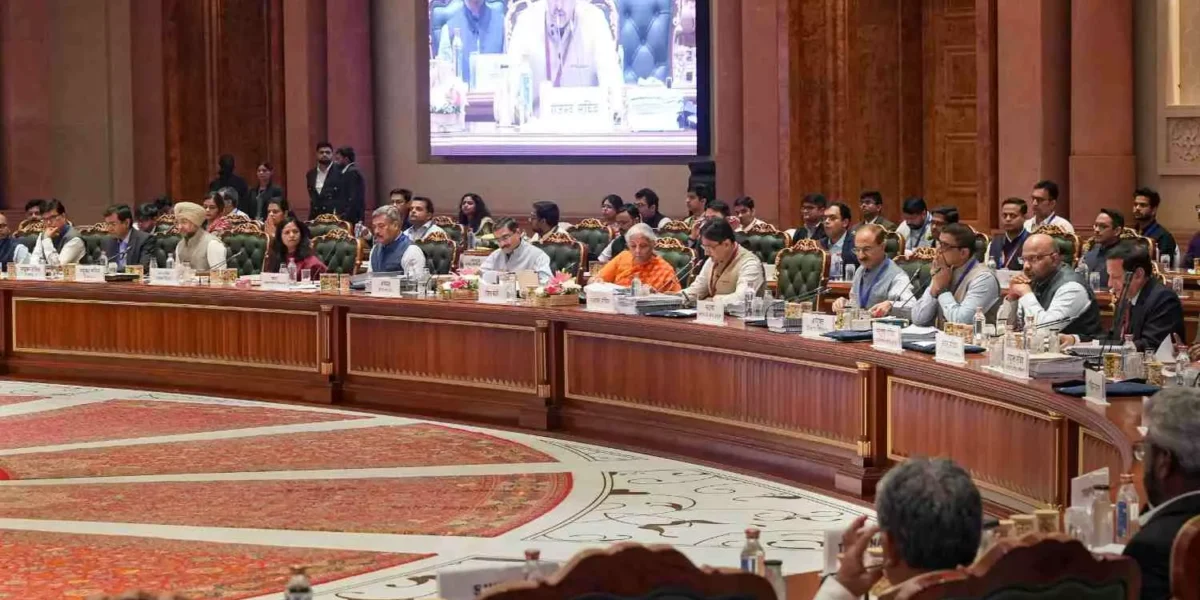
The GST Council on Thursday approved a series of major reforms aimed at making the Goods and Services Tax system simpler and more business-friendly. One of the biggest decisions was to remove the power of GST officers to arrest taxpayers. The Council also raised the threshold for criminal prosecution from ₹1 crore to ₹5 crore.The changes are part of the next phase of GST 2.0, with the government shifting its focus from GST rate changes to improving compliance, enforcement and everyday processes for businesses and taxpayers. The Council also decided to reduce the general penalty from ₹25,000 to ₹10,000. Importantly, there was no change in GST rates during Thursday’s meeting.
Arrest powers removed
The decision to scrap arrest powers marks a significant change in GST enforcement. The government intends to rely more on data analytics, invoice matching and technology-based detection to identify tax evasion and fake input tax credit rather than using arrest as a primary enforcement tool.The Council has also increased the prosecution threshold five-fold, from ₹1 crore to ₹5 crore. This means criminal prosecution will generally be reserved for more serious cases involving larger-scale tax evasion. The minimum punishment provision has also been removed, giving courts greater discretion while deciding the appropriate punishment.
Focus shifts to easier compliance
The latest decisions are aimed at reducing the fear of criminal action in routine GST disputes and creating a more predictable environment for businesses, particularly those dealing with compliance and tax-related disagreements. The broader GST 2.0 agenda also includes measures relating to registration, refunds, returns and input tax credit.The reforms follow the major GST rate rationalisation undertaken in 2025. With Thursday’s meeting, the government’s focus is now increasingly on simplifying the GST system and reducing compliance burdens, while retaining the ability to recover unpaid taxes and deal with serious tax evasion.