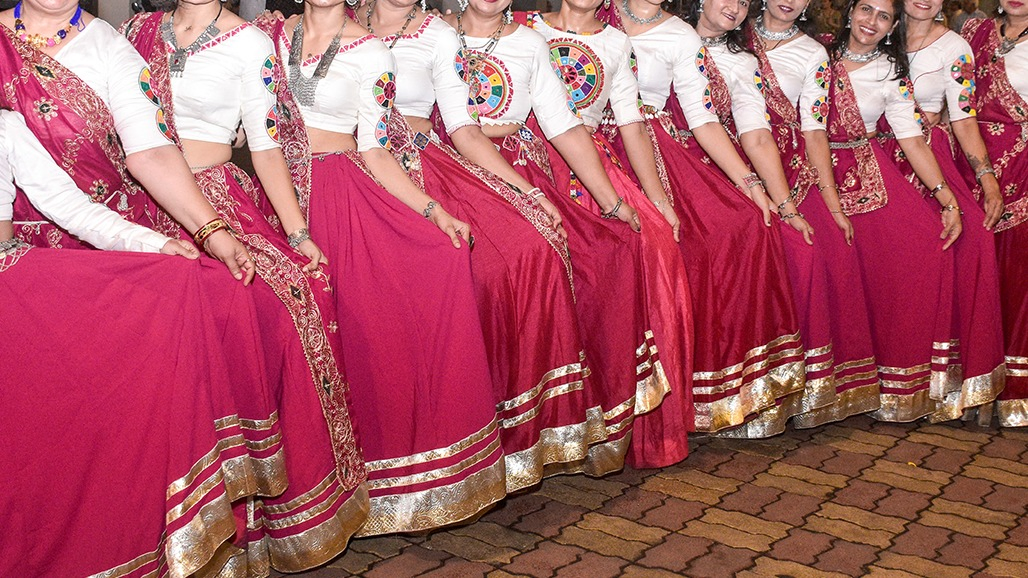
A growing trend of buying clothes for Navratri, wearing them for garba, posting pictures on social media and then returning them to the store has sparked a debate online. The practice, often described as “wardrobing,” has raised questions about consumer ethics and the misuse of return policies.
Navratri is one of the biggest festivals for fashion enthusiasts, with people spending money on colourful chaniya cholis, traditional outfits, jewellery and accessories. Many shoppers purchase new clothes to look their best during the nine nights of celebrations and share their festive looks on Instagram.However, some social media discussions have highlighted cases in which people allegedly wear newly purchased outfits for a celebration, take photographs and return the items afterwards to get a refund. This has drawn criticism from users who believe that return policies are being misused.
What Is Wardrobing?
Wardrobing refers to buying an item, using it for a specific occasion and then returning it for a refund while treating the purchase as a temporary rental. The practice is not limited to festive clothing and has also been discussed in connection with party dresses, wedding outfits and other occasion wear.Although retailers generally allow returns under specified conditions, their policies may require products to remain unused, undamaged and accompanied by their original tags. Returning clothing after wearing it may violate these conditions, depending on the store’s policy.
Social Media Divided Over the Practice
The trend has triggered mixed reactions online. Critics argue that wearing clothes before returning them is unfair to retailers and may affect the experience of future customers if returned garments show signs of use. Others point out that such practices can increase inspection, cleaning and restocking costs for businesses.Some users also believe that people who want new outfits for every occasion should consider renting clothes or choosing affordable alternatives rather than misusing return policies.
Clothing Rentals Offer an Alternative
With festive fashion becoming increasingly popular, clothing rental services offer an option for people who want to wear different outfits without purchasing each one. Renting can also help reduce unnecessary spending on clothes that may be worn only once.
The debate highlights a broader question about responsible shopping in the age of social media: should the desire to post a new festive look come at the cost of ethical consumer behaviour?
While buying and returning products is permitted under the applicable store policy, using an outfit for an event and then returning it as though it were unused raises concerns about honesty and fair business practices.