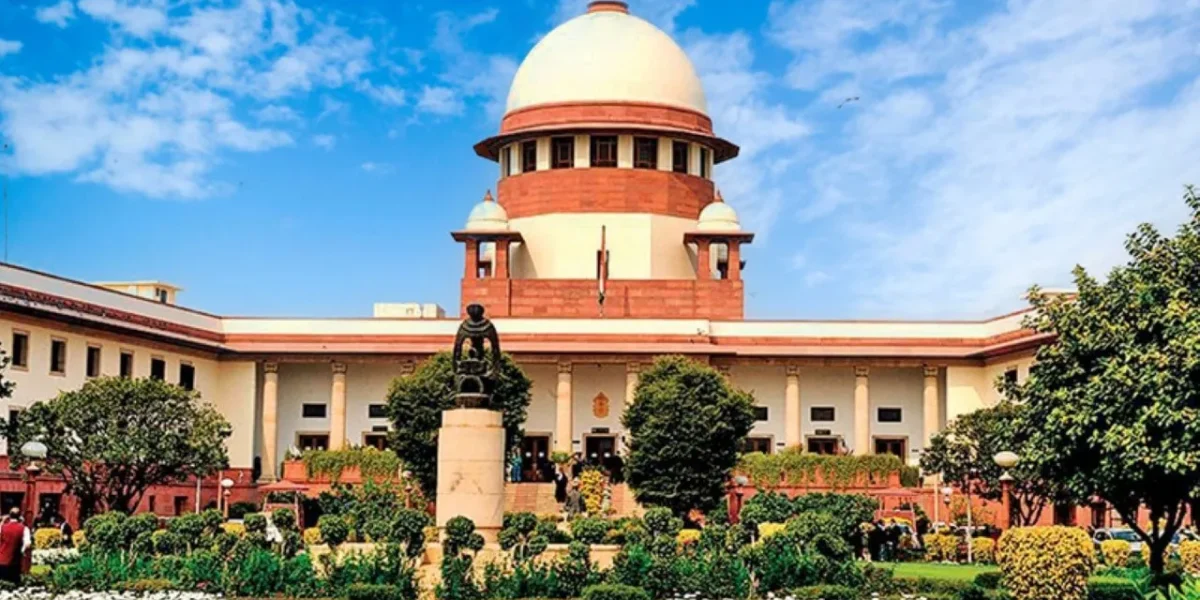
In a sharp and unusually blunt rebuke, the Supreme Court on Thursday came down heavily on what it termed the growing “freebie culture,” questioning whether indiscriminate handouts are weakening India’s work ethic and straining state finances.
Hearing a petition filed by the Tamil Nadu Power Distribution Corporation challenging provisions of the 2024 Electricity (Amendment) Regulations, the Bench led by Justice Surya Kant, along with Justice Joymalya Bagchi and Justice Vipul M. Pancholi, asked whether governments are fostering dependency instead of employment. “If you give free food from morning to evening, then free bicycles, then free electricity, why will people work?” the Court remarked, adding that while targeted welfare for the poor is understandable, extending free benefits to everyone without distinction risks damaging the culture of productivity and fiscal discipline.
The case revolves around Tamil Nadu’s policy of granting up to 100 units of free electricity every two months to domestic consumers, irrespective of income level. The Court questioned the rationale behind offering universal free power, especially when most states are already running fiscal deficits and grappling with development backlogs.
Justice Surya Kant raised concerns about whether such blanket subsidies amount to political appeasement rather than genuine social welfare, emphasizing that relief measures should be carefully targeted at those genuinely unable to pay. The Bench also sought clarity on why the power distribution company moved toward universal free electricity shortly after announcing revised tariff rates.
Issuing notices to the Centre and other stakeholders, the Court signaled that it intends to examine the broader implications of populist subsidy schemes on economic growth, governance priorities, and public accountability. The observations have reignited a national debate on the balance between welfare and fiscal prudence, with the judiciary questioning whether the promise of universal freebies is undermining long-term development and employment generation in the country.