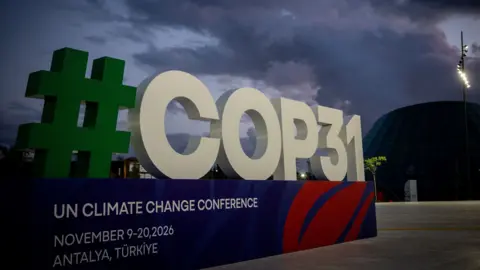
The 31st United Nations Climate Conference (COP31), held in Antalya, Türkiye, has concluded without a major climate agreement after negotiations between nearly 200 countries failed to reach a consensus. The summit, which was scheduled to end on Friday, continued for nearly two days beyond its deadline, making it the longest UN climate conference in history.
The major disagreement revolved around the future of fossil fuels, including coal, oil and natural gas. The European Union and several other nations opposed the final draft, arguing that it failed to explicitly mention fossil fuels or outline a clear roadmap to reduce their use. Meanwhile, countries such as Saudi Arabia and Russia opposed stronger language on the issue.
Climate finance was another major point of disagreement, with developing and climate-vulnerable nations demanding stronger financial commitments to deal with the effects of global warming. Despite prolonged discussions, negotiators could not bridge their differences, and the summit ended without adopting the proposed overarching agreement.
UN Secretary-General António Guterres expressed disappointment over the outcome, while emphasising that the scientific evidence on climate change remains clear. Although the summit failed to secure a major political agreement, some smaller decisions and initiatives were advanced. However, the failure to reach consensus has renewed concerns about the effectiveness of global climate negotiations at a time when climate-related challenges continue to intensify.