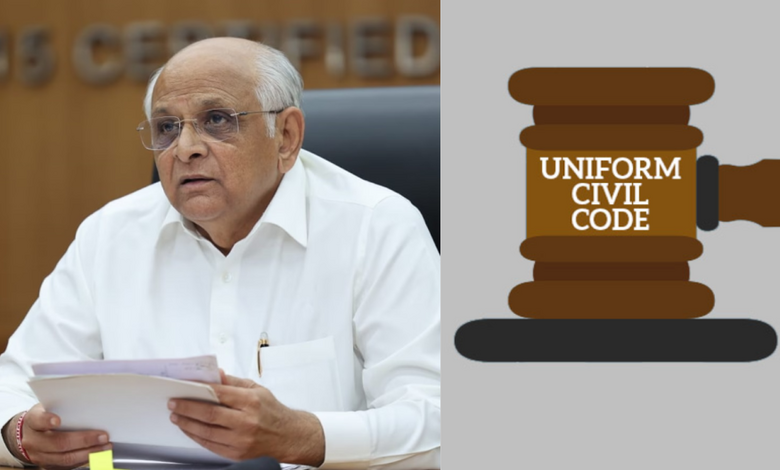
President Droupadi Murmu has given her assent to the Gujarat Uniform Civil Code (UCC) Bill, 2026, clearing a major constitutional step for the legislation. Gujarat now becomes the second state after Uttarakhand to receive presidential approval for a UCC.
The UCC establishes a common legal framework for marriage, divorce, inheritance, succession and live-in relationships. One of its key provisions concerns property and inheritance. Under the common succession framework, sons and daughters are entitled to equal inheritance rights, while specified shares are provided to spouses, children and parents when a person dies without leaving a will.
Key changes under Gujarat UCC
- Equal inheritance: Sons and daughters get equal rights in intestate succession.
- Marriage registration: Marriages solemnised after the Code comes into force will have to be registered within the prescribed period.
- One marriage at a time: The Code prohibits another marriage while a spouse is alive.
- Live-in relationships: Registration of live-in relationships is made part of the legal framework.
- Children’s rights: Children born outside marriage, through adoption or assisted reproductive methods receive specified legal and inheritance rights.
- Common divorce framework: The Code provides common rules and procedures for divorce and related matters.
- Religious ceremonies: Traditional ceremonies such as Nikah and Saptapadi can continue, subject to the statutory requirements.
However, presidential assent does not mean every provision becomes operational immediately. The Gujarat government still has to issue the required commencement notification and implement the rules before the Code comes into force. Scheduled Tribes covered by the constitutional provisions specified in the Act are exempted.