Gujarat is one of India’s youngest and most energetic states. A large part of its population is under 25. That is a major strength for the state. It means Gujarat has a young generation that can power its future growth, workforce, and social progress.
At IGF India, we have seen through our work in preventive healthcare, skilling, and menstrual health that early awareness can change lives. Whether it is through Care On Wheels taking healthcare closer to underserved communities, skilling programmes building confidence and opportunity, or menstrual health efforts breaking silence and stigma, one lesson stands out: when young people understand health early, they make stronger decisions for themselves and their future. That is why the case for health literacy in schools is so important.
If young people grow up with poor health habits, low awareness, and little understanding of preventive care, the state could face a much heavier health burden in the years ahead. If they grow up informed, confident, and healthier, Gujarat can build a stronger future.
Health literacy is not just about teaching students a few lessons on the human body. It is about helping them understand how everyday choices affect their health. It includes nutrition, hygiene, sleep, exercise, mental wellbeing, emotional balance, and knowing when to seek medical help. These are not small matters. They shape the quality of life for years to come.
Many health problems do not suddenly begin in adulthood. They build slowly over time. Poor eating habits, low physical activity, untreated anaemia, stress, poor hygiene, and delayed medical attention often begin in childhood or adolescence. By the time these problems become serious, the damage is often much harder and costlier to address.
This is why schools matter so much. Schools are where habits are formed. They are where children first learn discipline, routine, and responsibility. They are also the best place to help students understand that health is not just about hospitals and medicines. It is also about daily choices.
A child who learns the value of clean habits, balanced meals, physical activity, and emotional wellbeing is more likely to carry those habits into adult life. A teenager who understands nutrition, mental health, addiction risks, and early signs of illness is better prepared to make informed decisions. In many families, children also carry this learning back home. What they learn in school can influence parents, siblings, and the wider household.
This is especially important in a state like Gujarat, where the youth population is large and spread across urban, semi-urban, and rural communities. In many places, schools can become the first strong point of health awareness. They can help students understand not only personal wellbeing, but also family health, sanitation, menstrual health, nutrition, and prevention.
These experiences matter because they show that health awareness works best when it is practical, local, and linked to everyday life. It cannot remain only a policy idea or a classroom chapter. It must become part of how young people live, think, and care for themselves.
Of course, health literacy alone is not enough. It should go hand in hand with better nutrition, regular screening, physical activity, emotional support, and strong community engagement. Families, schools, health workers, and civil society all have a role to play. But schools are where this effort can begin at scale and at the right age.
This is not about creating fear among students. It is about building confidence. It is about helping young people understand that taking care of their health is not a burden. It is a life skill. And the earlier they learn it, the stronger they become.
A healthier Gujarat will not be built by treatment alone. It will also be built through awareness, prevention, and better daily habits. If we want to reduce avoidable health problems in the future, we must start where the future already sits every morning: in the classroom.
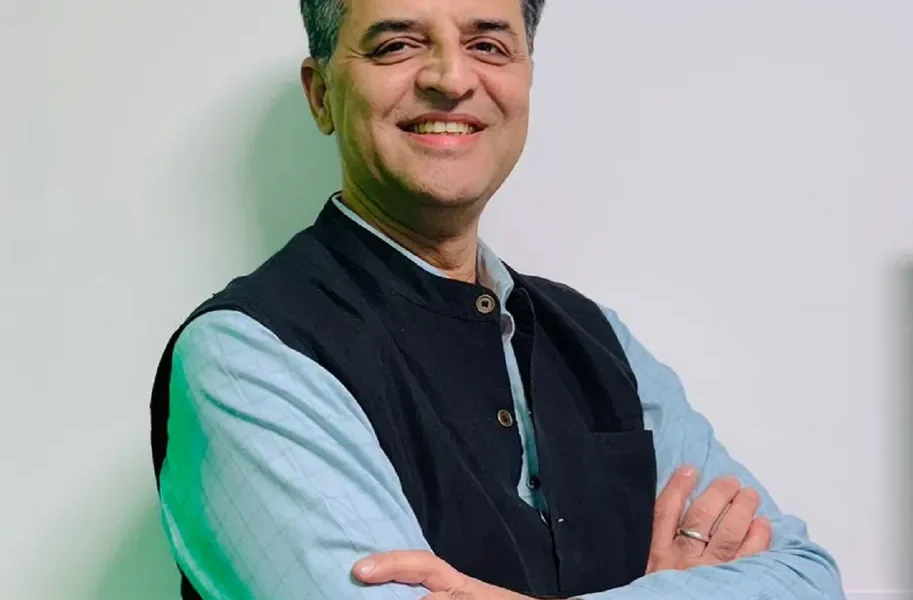
As Sundeep Talwar says, “Real care begins before a person falls sick. It begins when a young person understands their own health, feels seen, and knows they deserve care with dignity. When we give our youth that understanding early, we do more than prevent illness — we help them grow with confidence, self-respect, and hope.”