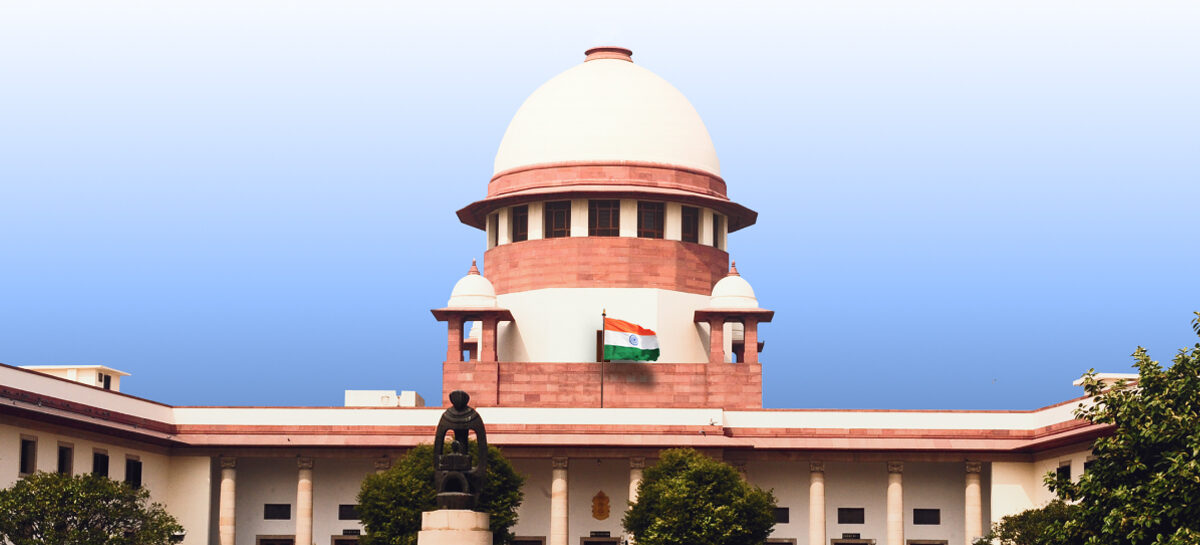
The Supreme Court of India on Thursday, October 15, upheld the Madras High Court’s decision that a person converting from Hinduism to Islam cannot claim reservation under the Backward Class (Muslim) category solely on the basis of religious conversion.
A bench comprising Justices Prashant Kumar Mishra and Shree Chandrashekhar dismissed the Tamil Nadu government’s appeal against the High Court’s ruling. The court held that social backwardness associated with a person’s previous social identity cannot automatically be transferred to a different religious social order after conversion.The case concerned a Tamil Nadu government order issued in March 2024. It allowed people from Backward Classes (BC), Most Backward Classes (MBC), Denotified Communities (DNC) and Scheduled Castes (SC) who converted to Islam to seek reservation benefits under the Backward Class Muslim category.
The Madras High Court had struck down the order on June 25, 2026, declaring it unconstitutional. The state government subsequently challenged the decision in the Supreme Court.
The Tamil Nadu government argued that the policy aimed to ensure that socially and educationally disadvantaged people would not lose reservation benefits simply because they converted to Islam. However, the Supreme Court upheld the High Court’s decision, ruling that religious conversion alone does not establish eligibility for membership in a notified backward-class community.
The verdict clarifies the legal position in this specific reservation dispute and highlights the importance of meeting the prescribed eligibility criteria for claiming community-based reservation benefits.