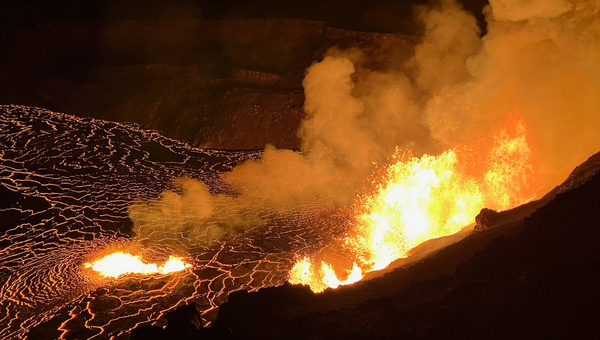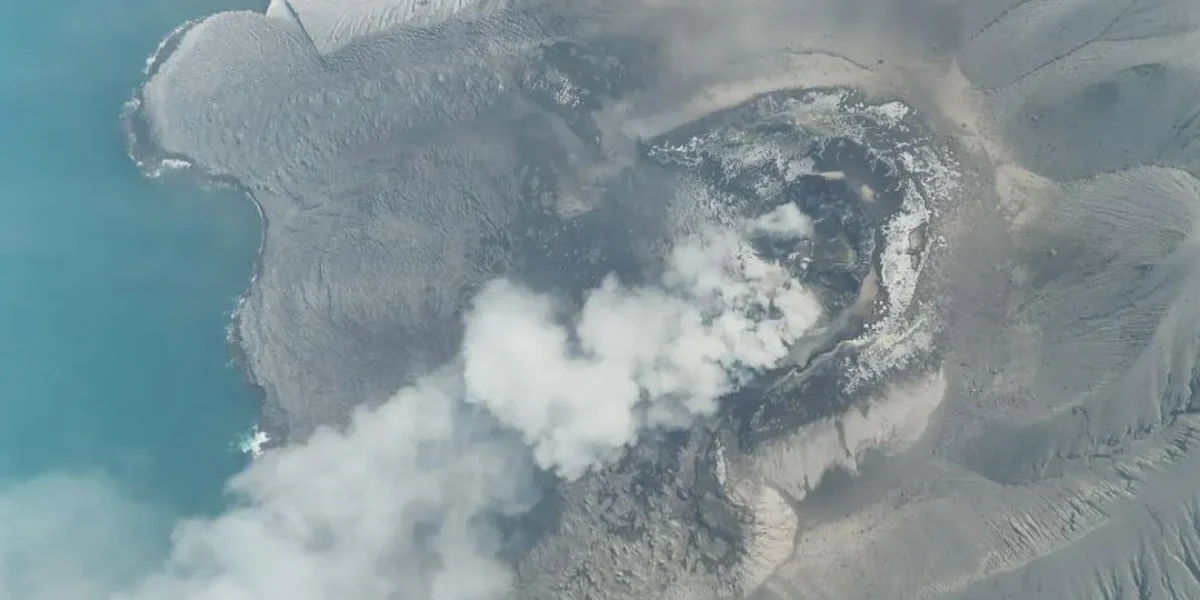
Indonesia’s Mount Anak Krakatau, one of the country’s most active volcanoes, has erupted continuously for around 25 hours, sending volcanic ash high into the atmosphere and triggering major disruptions to air travel. The eruption began late on September 4 and continued until early September 6, with authorities continuing to monitor further volcanic activity.
The eruption sent an ash plume as high as around 50,000 feet (15 km), prompting several airports to close or suspend operations. Thousands of flights have been affected, leaving hundreds of thousands of passengers facing cancellations and delays. Authorities have also advised residents in nearby areas to remain alert and protect themselves from volcanic ash.
Anak Krakatau remains under Level III (Siaga/Alert), with authorities maintaining an exclusion zone around the volcano. Officials have warned of hazards including volcanic ash, lava flows and volcanic rocks. The volcano is particularly closely watched because the collapse of Anak Krakatau in 2018 triggered a deadly tsunami that killed more than 400 people. However, Indonesian authorities have said there is currently no indication that the volcano’s present activity is capable of generating a similar large-scale tsunami.