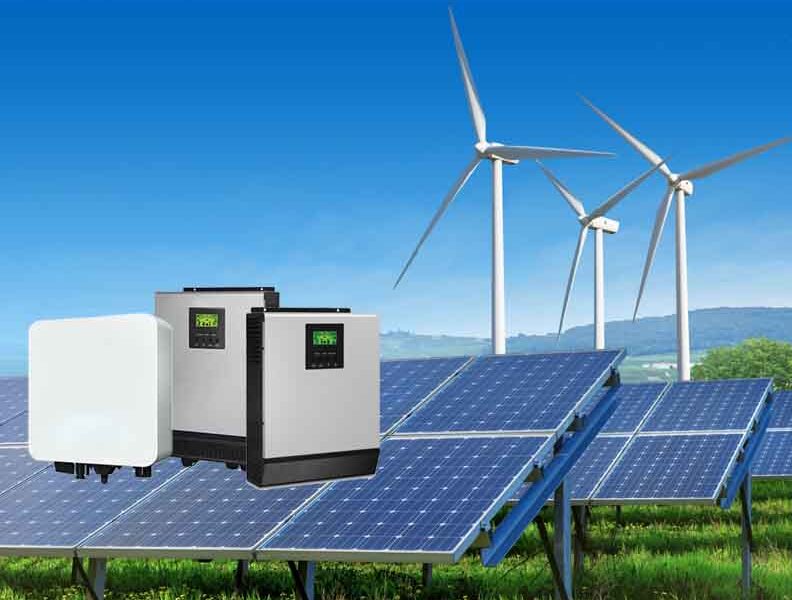
Access to reliable electricity continues to be a challenge in many rural, remote, and power-
deficit regions. Frequent outages, unstable grid supply, and the absence of electricity
infrastructure can disrupt daily life, affect businesses, and limit access to essential services. As a
result, many households and organisations are turning to solar energy as a dependable and
sustainable source of power, such as photovoltaic inverters.
An off-grid PV inverter plays a central role in making this possible by converting solar energy
into usable electricity and managing power for homes and businesses that operate
independently of the grid.
Beyond providing backup, it helps improve energy reliability, optimise solar power utilisation
and support uninterrupted daily operations. Let’s explore the key ways an off-grid PV inverter
helps solve energy access challenges and how to get the best performance from your system.
7 Practical Ways an Off-grid PV Inverter Enhances Energy Reliability
Reliable electricity is essential for everyday life, but access remains a challenge in many
locations. An off-grid PV inverter addresses this by efficiently converting, managing, and
supplying solar power for homes and businesses operating independently of the grid.
The following seven benefits highlight how the right inverter can improve energy reliability,
maximise solar power utilisation and provide consistent backup when it is needed most.
- Delivers Reliable Power Without Grid Dependence
One of the biggest advantages of an off-grid PV inverter is its ability to provide
electricity without relying on the utility grid. Working alongside solar panels and
batteries, it stores energy generated during the day and supplies power whenever
sunlight is unavailable. This makes it an ideal solution for homes, farms, remote
businesses, and locations where grid access is limited or unreliable. - Provides Full Rated Power to Connected Appliances
An inverter that delivers full rated power ensures appliances receive the output they
require for efficient operation. This means lights, fans, televisions, and other essential
equipment can perform at their intended capacity. - Handles High Starting Loads with Ease
Many appliances, including refrigerators, pumps, and motors, require a surge of
electricity when they start. Peak Load Peak Output (PLPO) technology enables the
inverter to manage these higher starting loads smoothly. This reduces the risk of
tripping or repeated restarts and ensures dependable operation of essential equipment. - Maximises Solar Energy Collection
An off-grid PV inverter that supports a higher solar power input capacity can make
better use of the electricity generated by solar panels. This helps charge batteries more
quickly, increases backup availability, and allows users to make the most of available
sunlight throughout the day. - Makes Better Use of Available Sunlight
Efficient charging technologies play an important role in improving overall system
performance. Zero Drop (Pulse Width Modulation) PWM technology helps minimise
energy loss during charging, while Maximum Power Point Tracking (MPPT) technology
continuously extracts the maximum available power from solar panels. Together, these
features improve solar energy utilisation and ensure more electricity is stored for later
use. - Provides Seamless Power During Outages
An off-grid PV inverter equipped with static changeover technology switches between
power sources almost instantly during an outage. This allows lights, fans, internet
connections, and other essential appliances to continue operating without noticeable
interruptions, creating a smoother and more reliable power experience. - Simplifies System Monitoring and Operation
Managing a solar system becomes much easier with a user-friendly display that shows
battery status, solar input, load conditions, and fault information on a single screen.
Easy access to system data allows users to monitor performance, identify issues quickly,
and ensure the inverter continues operating efficiently.
Tips for Getting the Best Performance from an Off-grid PV Inverter
Following a few practical best practices can help improve efficiency and extend the lifespan of
your off-grid PV inverter.
- Size the System According to Your Energy Needs
Estimate your daily electricity consumption before installing a solar system. Matching
the inverter and battery capacity to your energy requirements helps deliver reliable
performance without overloading the system. - Install Solar Panels for Maximum Sunlight
Position solar panels where they receive unobstructed sunlight throughout the day.
Proper placement improves electricity generation and allows the inverter to perform
more efficiently. - Use Compatible Batteries
Using batteries that are compatible with your inverter helps improve charging
efficiency, backup duration, and overall system reliability. - Monitor System Performance Regularly
Check system indicators and monitor battery performance to identify any changes in
output. Early detection of faults helps maintain consistent power availability. - Schedule Routine Maintenance
Regular inspection of wiring, batteries, and solar panels helps maintain efficient
operation and extends the lifespan of the overall system. - Work with a Trusted Solar Solutions Provider
Professional installation, dependable after-sales support, and quality components all
contribute to better long-term performance and reliable energy access.
Power Every day with the Right Off-Grid Solar Solution
The right off-grid inverter improves solar system performance and increases daily energy
generation. It also supports long-term savings through efficient and reliable power conversion.
Smart features and built-in protection help ensure consistent performance throughout the
year.
Trusted providers like Eastman Auto & Power Limited offer complete on-grid solar solutions.
They also provide a upto 5 year inverter warranty, 24×7 service support, and a 2-hour service
response time. Together, these benefits help deliver dependable performance and greater
peace of mind.