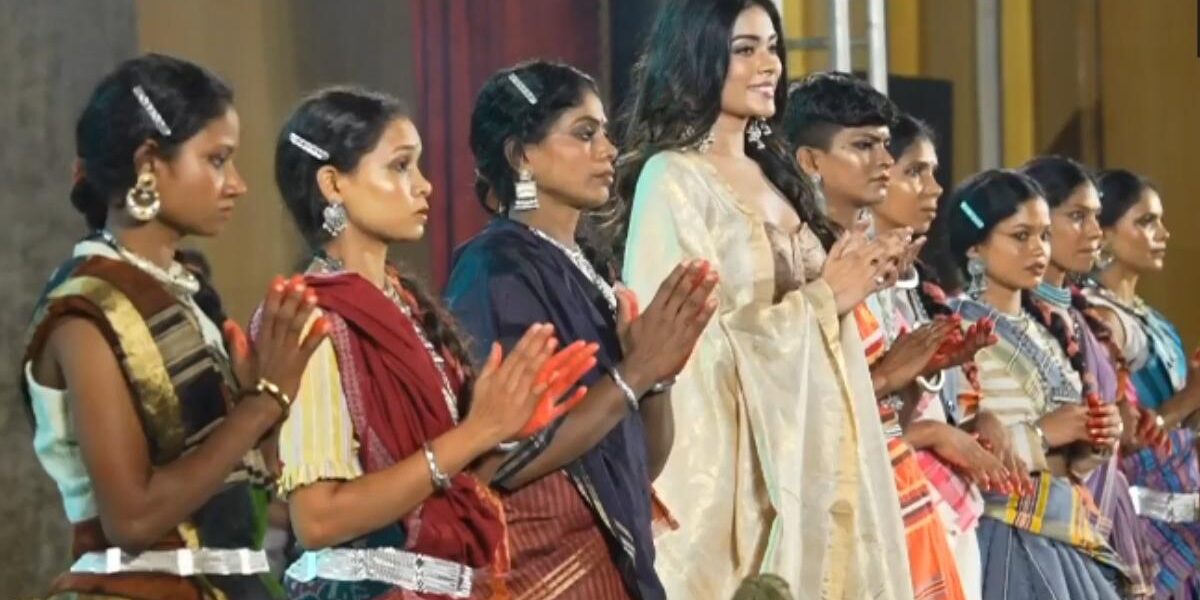
A scene that would have seemed unimaginable just a few years ago unfolded in Chhattisgarh on National Handloom Day, August 7 — women who once belonged to the Naxal movement walked the ramp with confidence, dressed in traditional Kosa silk and handwoven sarees.
The event was more than a fashion showcase. For the women of Bastar who had surrendered, the ramp became a powerful symbol of transformation — from insurgency to rehabilitation, from isolation to social integration, and from a life shaped by violence to one centred on dignity and livelihood.
For decades, Chhattisgarh’s Naxal conflict was associated with dense forests, armed cadres and violence. Bastar, in particular, became synonymous with the country’s prolonged Maoist insurgency. But as security operations intensified and the government pushed its campaign to eliminate Naxalism, the region’s image gradually began to change.The appearance of surrendered Naxal women on the ramp offered a striking visual representation of that change.
Draped in Chhattisgarh’s traditional handwoven textiles, the women received applause as they showcased the state’s rich textile heritage. Social media users quickly captured the symbolism of the moment, with phrases such as “From Lenin to Linen” and “From Camps to the Ramp” reflecting the dramatic shift in their lives.
The transformation is part of a wider rehabilitation effort aimed at bringing former insurgents back into mainstream society. Over the past two years, intensified security operations against Naxal groups have been accompanied by efforts encouraging cadres to surrender and rebuild their lives through rehabilitation, employment and livelihood opportunities.
Chhattisgarh Chief Minister Vishnu Deo Sai has described the government’s vision as transforming the region from a “red corridor” into a “green corridor”, asserting that Bastar is now Naxal-free.
The handloom ramp, therefore, carried a message far beyond fashion. The sarees represented a cultural identity that had long existed alongside the conflict, while the women wearing them represented a new possibility for those once trapped inside the insurgency.Their journey from armed camps to the fashion ramp may be only one chapter in Bastar’s larger rehabilitation story. But it offers a powerful image of what reintegration can look like when surrender is followed by opportunity, dignity and a chance to rebuild.
From guns to garments, from forests of conflict to a platform of confidence — Bastar’s story is slowly being rewritten.