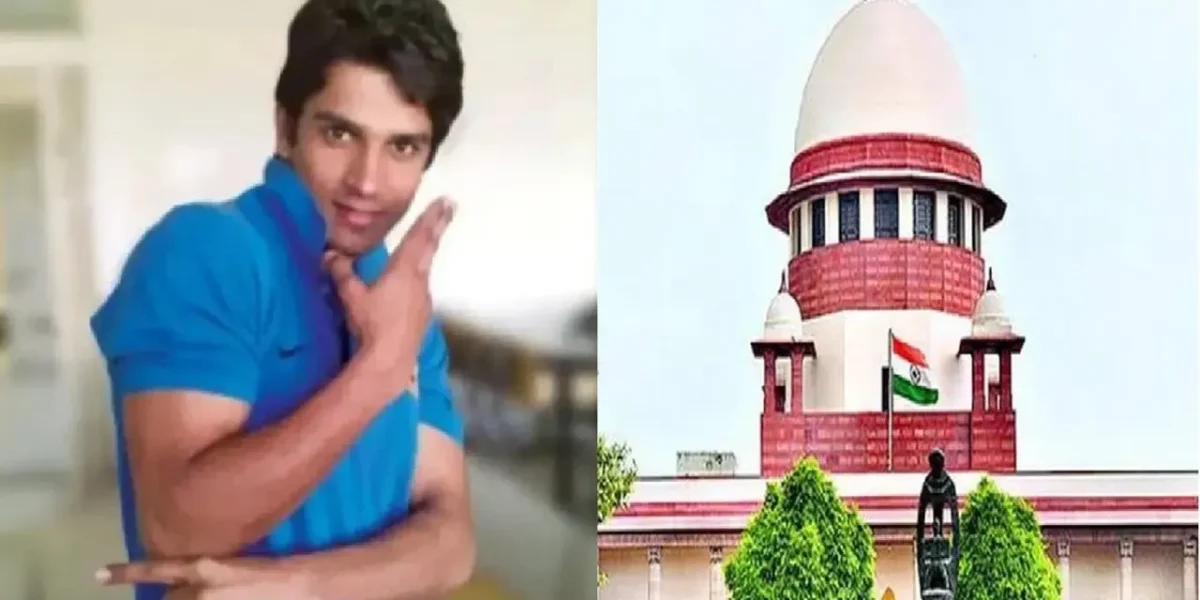
In a landmark judgment, the Supreme Court of India on Wednesday permitted passive euthanasia for Harish Rana, a 31-year-old man who has remained in a comatose condition for more than 12 years. The court allowed doctors to withdraw his artificial life support, marking a major development in India’s legal recognition of the “right to die with dignity.”
The case had been described by the apex court as “a very hard one,” and it had earlier sought the response of the Government of India on August 20 last year after Rana’s parents approached the court requesting permission to end his prolonged suffering. The decision gives legal weight to the long-debated concept that individuals who are in an irreversible vegetative state should have the right to refuse life-prolonging treatment when recovery is medically impossible.
Passive euthanasia refers to the intentional act of allowing a patient to die by withholding or withdrawing medical treatment necessary to keep them alive, such as ventilators or other artificial life-support systems. Under guidelines issued by the Supreme Court of India in 2023, such a decision cannot be taken arbitrarily. Instead, it requires the formation of a primary medical board and a secondary medical board, both consisting of expert doctors who evaluate the patient’s condition and determine whether there is any realistic chance of recovery before recommending withdrawal of life-sustaining treatment.
The principle behind passive euthanasia is tied to the constitutional idea of personal autonomy and dignity, allowing terminally ill or permanently vegetative patients to avoid prolonged suffering when modern medical intervention can only extend biological life without any prospect of recovery.
The case centers on Harish Rana, a former student of Panjab University. In 2013, Rana suffered severe head injuries after falling from the fourth floor of his paying-guest accommodation. Since then, he has remained completely bedridden and dependent on artificial medical support for survival. Over the years, his condition has shown almost no improvement, leaving his family in emotional and medical distress.
The apex court earlier reviewed his medical history, including reports submitted by a secondary medical board of doctors from All India Institute of Medical Sciences, New Delhi, which described his condition as extremely serious with virtually no hope of recovery. A primary medical board that examined him also concluded that the chances of meaningful recovery were negligible, and the court noted in December that the patient was in a “pathetic condition.”
While hearing the case, a bench of Justices J. B. Pardiwala and K. V. Viswanathan directed doctors at All India Institute of Medical Sciences, New Delhi to admit Rana to palliative care and withdraw medical treatment according to a carefully designed plan that preserves the patient’s dignity during the final stages.
The judges emphasized that the process must be handled with compassion and strict medical supervision. The ruling came after the Delhi High Court had earlier refused to refer Rana’s case to a medical board in July last year, observing at the time that he was not entirely dependent on mechanical life support and could sustain certain bodily functions without external aid.
The Supreme Court’s latest order is expected to become a significant legal milestone in India’s evolving debate on end-of-life care, medical ethics, and patient autonomy. By allowing passive euthanasia in such exceptional circumstances, the court has reinforced the idea that the right to life under the Constitution also includes the right to die with dignity, particularly for patients trapped in irreversible medical conditions with no realistic possibility of recovery.